
Digital Hate in Context of Conflict
Digital hate in conflict-sensitive contexts is an international research and education initiative. Since 2024, we have been researching how digital hate affects adolescents and young adults in conflict-affected regions and what approaches can be used to counteract it effectively.
We work closely with research institutions, universities and civil society organisations. These collaborations build on more than 16 years of joint work with partners from Germany, Ukraine, Moldova and Kyrgyzstan.
Our goal is to systematically research the causes and consequences of digital hate. On this basis, we develop practical, scientifically sound approaches to prevention and intervention.
More about the projects
Background
News


Photo: Taalim-Forum / Doolbekova
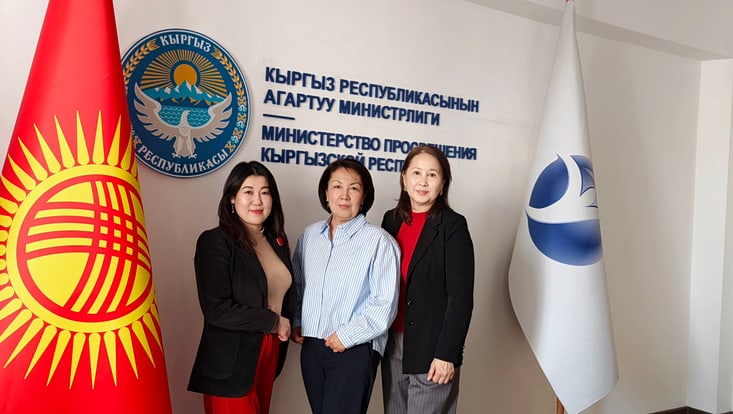
20 May 2026|Digital HateRoundtable on Online Aggression Held at the Ministry of Education in Kyrgyzstan
Date: 11 March 2026
Location: Bishkek, Kyrgyzstan, Ministry of Education of the Kyrgyz Republic
On 11 March 2026, a roundtable Challenges of Online Aggression Among Youth in Kyrgyzstan was held at the Ministry of Education of the Kyrgyz Republic, bringing together representatives of government institutions, educational...
Contribution from the news channel Internationalisation EWPhoto: Viktor Izbash
11 May 2026|Digital HateCyberbullying Prevention Training Launched in Moldova
On March 12, 2026, an online training on digital hate, in context of the DAAD funded project"Transnational Education and Research Strategies Against Digital Hate 2026" took place in Moldova.
In partnership with the Free International University of Moldova (ULIM), disability rights activist and inclusive education expert...
Contribution from the news channel Internationalisation EWPhoto: State University of Intelligent Technologies and Telecommunications (Ukraine)
11 May 2026|Digital HatePeer-to-Peer Training “Hate Speech on the Internet: Causes, Consequences and Prevention”
Date: 28 February 2026
Location: Odesa, Ukraine
Organiser: State University of Intelligent Technologies and Telecommunications (SUITT)
The SUITT, organized a peer-to-peer training on Hate Speech on the Internet: Causes, Consequences and Prevention and brought together psychology students for an interactive session on...
Contribution from the news channel Internationalisation EWPhoto: Taalim-Forum / Doolbekova
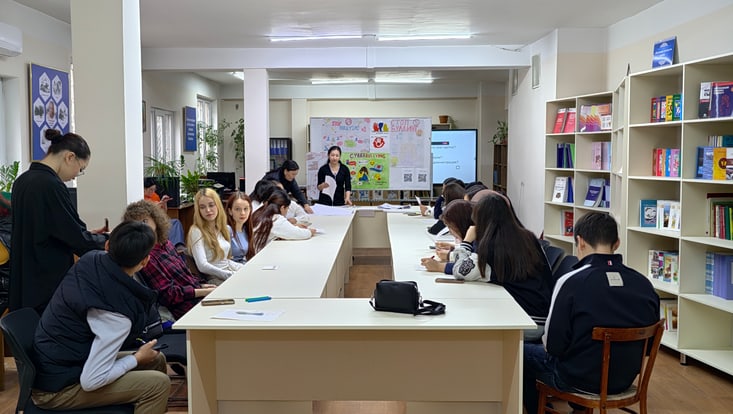
11 May 2026|Digital Hate“ReAction” Week Against Cyberbullying in Kyrgyzstan
Date: 9-13 March 2026
Location: Bishkek, Kyrgyzstan
Organisers: Taalim-Forum Public Foundation; Bishkek Music and Pedagogical Institute named after T. Ermatov
A Week Against Cyberbullying ReAction: Your Response Matters! took place at the Bishkek Music and Pedagogical Institute named after T. Ermatov. The initiative was...
Contribution from the news channel Internationalisation EWPhoto: Taalim-Forum
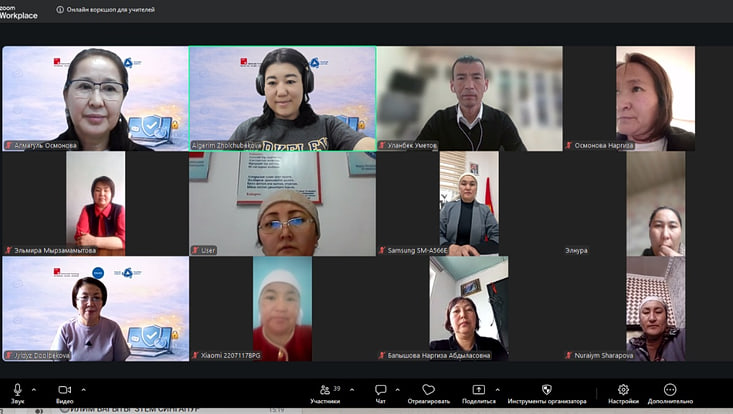
11 May 2026|Digital HateOnline Workshop for Educators: How to Recognise Cyberbullying Among Adolescents
Date: 31 March 2026
Location: Online/Zoom
Organiser: Taalim-Forum Public Foundation
On 31 March 2026, the Taalim-Forum Public Foundation held the first session of a series of online workshops for educators on Diagnosing and Recognising Cyberbullying and Online Aggression Among Adolescents.
A total of 47 participants took...
Contribution from the news channel Internationalisation EWPhoto: UHH/Levin
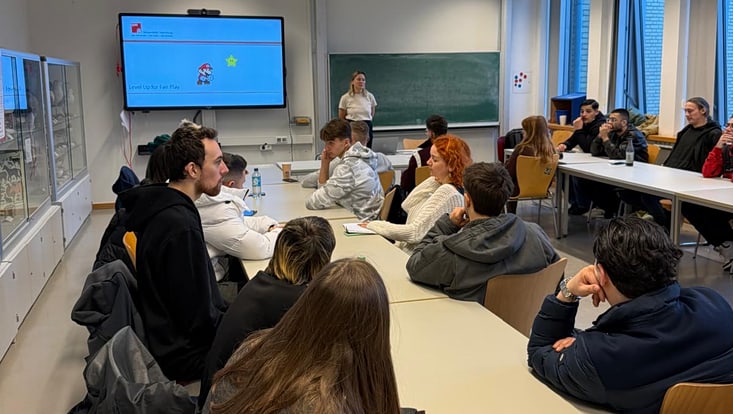
17 November 2025|InternationalesWorkshop on Hate on the Internet and in Gaming
Hamburg, November 2025 – In cooperation with the DAAD-funded project Together Against Hate on the Internet and the German-French-Bosnian gaming project “Game-X-Change” a workshop on hate on the internet and in gaming was held at the University of Hamburg. Led by Julia Levin, young adults from Germany, France, and...


Team
Our partners include universities, public foundations, and researchers working in the fields of youth, education, and digitalization. The project builds on more than 16 years of successful collaboration and established international partnerships.
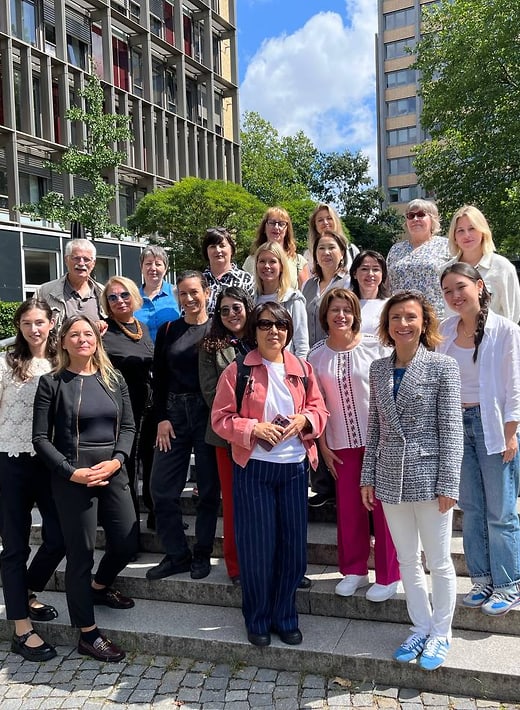
Photo: UHH/Levin
Interested in workshops or cooperations?
We offer training courses, workshops and advisory services for schools, universities, youth centres, NGOs and other organisations working in the fields of online hate, media literacy and prevention. Interested organisations are welcome to contact us at any time.
Contact
Funding
These projects are funded by the German Academic Exchange Service (DAAD).